

When you're in the market to buy ice bags, understanding the materials used in their construction is crucial. As a trusted supplier of ice bags, we're here to provide you with detailed information about the various materials commonly found in the ice bags you can purchase. This knowledge will help you make an informed decision based on your specific needs and preferences.
1. Gel-Based Materials
Gel ice packs are a popular choice for many consumers. The main material inside these ice bags is a special gel. This gel is typically a mixture of water and a thickening agent, often carboxymethyl cellulose or polyacrylamide. These substances help the water retain its form and stay in a semi - solid state even when frozen.
The advantage of gel - based ice bags is their flexibility. They can conform to the shape of the items you want to cool, whether it's a food item in a picnic basket or a sports injury on your body. Gel ice packs also tend to have a longer cooling time compared to just using ice cubes. They absorb heat at a slower rate, which means they can keep your products cold for an extended period.
We offer gel - filled ice bags that are perfect for different applications. For example, our Ice Bag Cooler Customized is designed with high - quality gel to keep your drinks and snacks ice - cold during a long day of golfing. You can even customize it with your logo, making it a great promotional item as well.
2. Insulating Materials
The outer layer of an ice bag is just as important as the cooling element inside. Insulating materials are used to reduce the transfer of heat between the inside and the outside of the bag. There are several types of insulating materials commonly used in ice bags.
Foam Insulation
Foam is a widely used insulating material. Both polyurethane foam and expanded polystyrene (EPS) foam are popular choices. These foams have a high R-value, which is a measure of a material's resistance to heat flow. The higher the R - value, the better the insulation.
Foam - insulated ice bags are durable and can provide good protection against heat, keeping the contents cold for a long time. Our Nylon Golf Cooler Bag uses a layer of high - density foam insulation. The nylon exterior combined with the foam makes it both stylish and practical for golfers who need to keep their beverages cold on the course.
Reflective Foil
Reflective foil is another type of insulating material. It works by reflecting radiant heat away from the ice bag. This is especially useful in sunny environments where radiant heat from the sun can quickly warm up the contents of the bag.
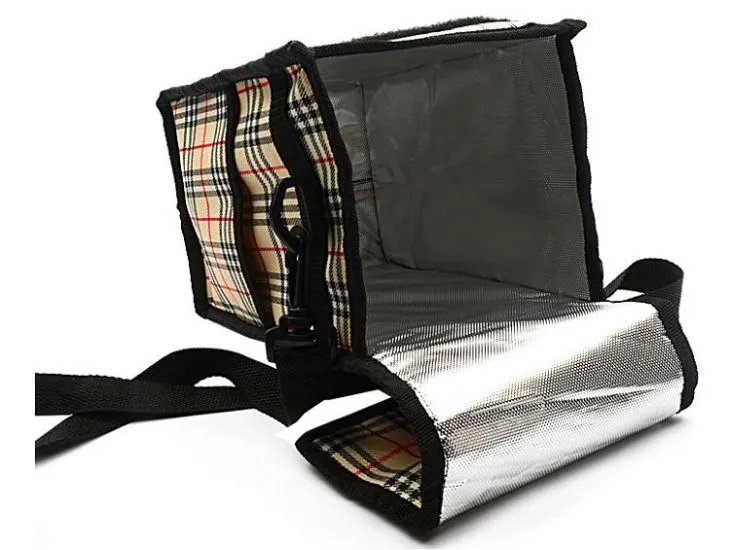
Reflective foil can often be found in combination with other insulating materials. For instance, some of our ice bags have an inner layer of reflective foil along with a layer of foam insulation. This dual-layer design maximizes the insulating properties and helps to keep the ice or gel packs at a low temperature for as long as possible.
3. Fabric Materials
The fabric used on the exterior of ice bags also plays a significant role in their overall functionality and durability.
Nylon
Nylon is a very common fabric for ice bags. It is lightweight, strong, and resistant to abrasion. Nylon can withstand rough handling, making it ideal for outdoor activities such as camping, hiking, or golfing.
Our Nylon Golf Cooler Bag is made from high-quality nylon. It not only provides good insulation but also has a sleek and modern look. Nylon is also easy to clean, which is a plus for those who use their ice bags frequently.
Polyester
Polyester is another fabric that is often used in ice bags. It is similar to nylon in terms of strength and durability. Polyester is also resistant to wrinkles and shrinking.
Some of our ice bags are made with a polyester blend. This blend combines the best properties of different materials, providing a tough exterior that can protect the insulation and cooling elements inside. Polyester is also a cost-effective option, allowing us to offer high - quality ice bags at an affordable price.

4. PVC and Rubber
In some cases, PVC (polyvinyl chloride) or rubber materials are used in ice bags. These materials are often found in the construction of reusable ice packs.
PVC is a plastic material that can be molded into different shapes. It is water - resistant and can hold the gel or liquid coolant inside the ice pack. Rubber, on the other hand, is flexible and can provide a good seal to prevent the leakage of the coolant.
Our customized Ice Bag Cooler may use PVC or rubber components in its design. These materials ensure the integrity of the ice pack, making it reliable and long-lasting.
5. Towel-Like Materials
For some ice bags, especially those used for sports or personal cooling, towel-like materials are used. These materials are absorbent and can help to cool the body through evaporation.
Our Plain Golf Sporting Towel is not only a regular towel but can also be used as a cooling accessory. When soaked in water and wrung out, it can provide a refreshing cooling effect. This type of towel-based ice bag is great for athletes who need to cool down quickly during a game or practice session.
Conclusion
As you can see, ice bags use a variety of materials, each with its own properties and advantages. Whether you need an ice bag for a picnic, a round of golf, or for storing medical supplies, understanding these materials will help you choose the right one for your needs.
If you're interested in purchasing our high-quality ice bags, we encourage you to contact us for a detailed discussion. Our team of experts is ready to help you find the perfect ice bag solution for your specific needs. We can provide you with more information about our products, pricing, and customization options.
References
- "Materials Science for Engineers"-A textbook that provides in-depth knowledge about different types of materials and their properties.
- "Handbook of Insulation Materials"-A comprehensive guide on various insulating materials and their applications in cooling products.