



Introduction
Neoprene golf headcovers are a practical choice for golfers who want flexible, lightweight protection for their clubs. They are easy to put on and remove, provide cushioning against everyday scratches, and are relatively easy to maintain. However, they are not ideal for every golfer. Understanding their advantages and limitations can help you decide when neoprene is the right material.
Key Takeaways
Neoprene headcovers offer flexibility, cushioning, and water resistance for everyday golf use.
They are particularly suitable for drivers, fairway woods, and hybrids when correctly sized.
Leather and knit headcovers may be better choices for golfers who prefer premium or traditional styling.
Proper fit, stitching, and construction are essential for effective club protection.
When Should You Use Neoprene Golf Headcovers?
For Everyday Club Protection
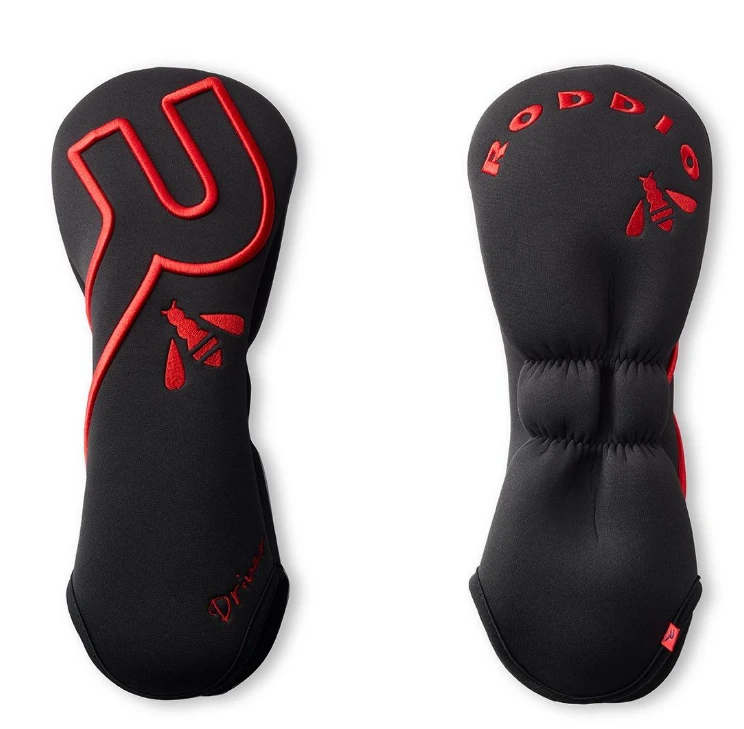
Neoprene headcovers are well suited to golfers who play frequently and want convenient protection against scratches and scuffs caused by clubs knocking together during transport. Their flexible construction makes them easy to remove and replace throughout a round.
For Damp Golfing Conditions
Neoprene resists water and can be wiped clean easily, making it useful in damp conditions. However, the complete headcover is not necessarily waterproof because water may enter through seams, zippers, or openings. After playing in the rain, allow the cover to dry completely before storing it.
What Are the Advantages and Limitations of Neoprene?
Main Advantages
Neoprene is flexible, cushioned, and relatively easy to maintain. It can fit closely around a clubhead without requiring a bulky, rigid structure. These characteristics make it a practical option for golfers who prioritize convenience over decorative details.
Limitations to Consider
Neoprene generally has a sporty appearance rather than the structured, premium look associated with leather. Protection also depends on thickness, lining, fit, and construction quality. A cover that is too loose may slip off, while one that is too tight can be difficult to remove.
How Does Neoprene Compare With Other Headcover Materials?
Choosing the Right Material
The best material depends on the golfer's preferred style, maintenance expectations, and intended use.
| Material | Main Advantage | Best Suited For |
|---|---|---|
| Neoprene | Flexible, cushioned, water-resistant | Everyday protection |
| Genuine leather | Premium appearance and distinctive texture | Luxury golf collections |
| Knit | Soft texture and traditional styling | Classic and lifestyle designs |
| PU synthetic leather | Versatile colors and branding options | Fashion-oriented golf products |
Neoprene is a strong choice for practical everyday use. Leather may suit premium collections better, while knit covers appeal to golfers who prefer a traditional look.
How Should You Clean and Maintain Neoprene Headcovers?
Simple Cleaning Steps
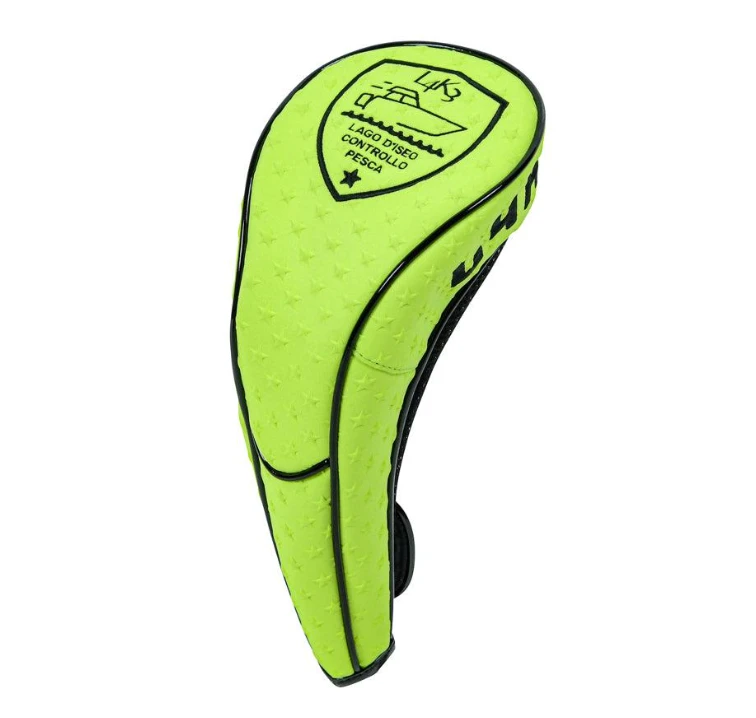
Wipe away dirt with a damp cloth and use a small amount of mild soap when necessary. Remove any residue with a clean damp cloth, then allow the headcover to air-dry completely.
Avoid bleach, harsh solvents, and excessive heat. If the cover becomes wet during a round, remove it from the club before drying to prevent moisture and odors from becoming trapped.
Conclusion
Neoprene golf headcovers are a practical option for golfers who value flexibility, cushioning, and easy maintenance. They work particularly well for everyday club protection, provided the cover fits correctly and is made with suitable materials and construction.
For golfers who prioritize a premium leather appearance or traditional styling, other materials may be more appropriate. The right choice ultimately depends on how the headcover will be used.
Frequently Asked Questions
Neoprene is water-resistant, but the finished headcover may not be completely waterproof because water can enter through seams and openings.
Yes. A properly fitted neoprene headcover provides cushioning that helps reduce scratches and scuffs caused by everyday contact between clubs.
Yes, provided the cover is designed for the clubhead size. Check the manufacturer's sizing information before purchasing.
Neither material is universally better. Neoprene prioritizes flexibility and convenience, while leather is often chosen for its premium appearance and structured finish.
Yes. Manufacturers may offer customized colors, patterns, logos, and sizing. Brands should approve a sample to confirm the fit, appearance, and logo quality before bulk production.