


Golf Headcovers Club Head Cover
We can send you samples, but they are charged. After the order is confirmed, we will refund the sample fee. Rest assured, our main products include golf bags, headcovers, club sets, grips, and other golf accessories, and we offer OEM services.
Production Process of the Golf Headcover
1. Design and Planning
With the material selected, designers create visually appealing and functional designs. This stage involves choosing colors, patterns, logos, and unique elements that make the headcover stand out. For custom designs, golfers may provide their specifications or preferences.

2. Material Selection
The second step in making a golf headcover is choosing the right materials. These can range from high-quality leather and synthetic leather to soft fleece, durable microfiber, and even recycled materials for an eco-friendly touch. Each material has characteristics that affect durability, appearance, and texture.

2.1. Leather
Natural Leather: This classic material offers a luxurious appearance and a soft touch. It develops a unique patina over time but requires more maintenance than synthetic options.

Synthetic Leather: Also known as faux leather or leatherette, it provides a leather-like look and feel at a lower cost with less maintenance.
2.2. Fabrics
Microfiber: A synthetic fabric that is soft, durable, and easy to clean. It provides a smooth, modern look and is commonly used in sports apparel and accessories.

Fleece: Soft and plush, it provides warmth and excellent protection, often used for winter headcovers or for extra padding.

Mesh: Offers breathability and is often combined with other materials for added texture or design elements.
2.3. Rubber or Silicone
Rubber: Sometimes used for the bottom grip of the headcover to ensure it stays in place during play or travel.
Silicone: Can be used in grip areas or as decorative elements, providing a non-slip surface.
2.4. Fur or Faux Fur
Fur: Real or synthetic fur offers an elegant and cozy look. Faux fur is a popular vegan-friendly alternative that mimics the look and feel of real fur.
2.5. Neoprene
Neoprene (Wetsuit material): Water-resistant and cushioned, ideal for protecting clubs in various weather conditions.
2.6. Recycled Materials
Recycled Plastics: Some eco-conscious brands use recycled plastics or other sustainable materials to create environmentally friendly headcovers.
2.7. Cotton and Polyester
Cotton: Provides a classic, lightweight feel and can be easily decorated with prints or logos.
Polyester: Durable and easy to maintain, often used for solid color designs or complex patterns.
2.8. Velvet
Velvet: A rich, luxurious material that adds a touch of elegance to golf headcovers.
3. Pattern Making
Once the design is finalized, patterns are created to serve as blueprints for cutting the fabric. These patterns ensure each piece of material is cut to exact specifications for assembly.
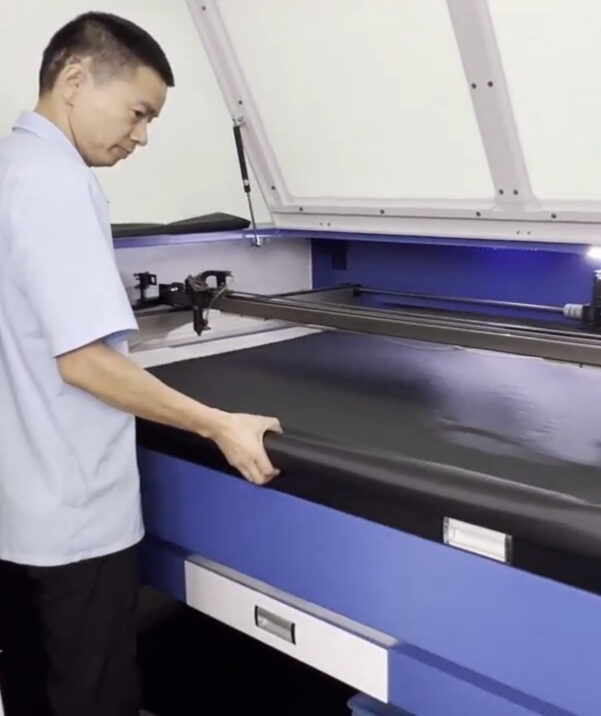
4. Cutting
Using the patterns, the selected material is laid out and cut into pieces that will eventually be sewn together to form the club cover.
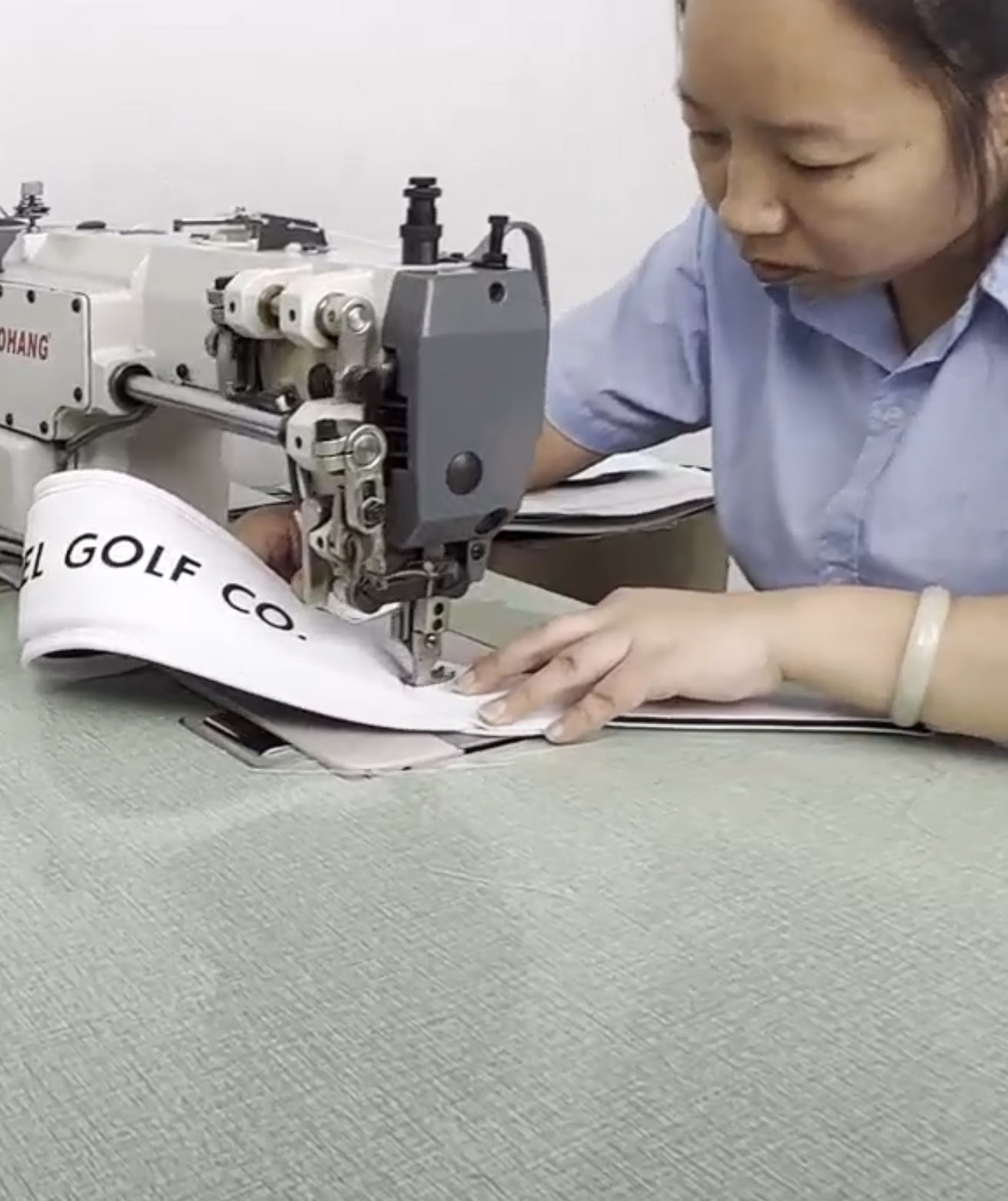
5. Sewing and Assembly
The cut pieces are then assembled, often involving hand or machine stitching. Some headcovers may include additional features like zippers, Velcro strips, or magnetic closures for ease of use.
6. Finishing Touches
Once assembled, the headcovers may undergo additional treatments or finishing touches, including painting, protective coatings, or adding details like buttons or piping.

7. Quality Control
Every club cover undergoes a rigorous inspection process to identify any defects in workmanship or materials. Any issues are addressed before moving forward.

8. Packaging
The final step is packaging the headcovers securely for shipment to retailers or customers. Proper packaging ensures they arrive without damage.

Maintenance Tips
To extend the life of your golf headcovers, follow these tips:
Clean Regularly: Use a damp cloth and mild soap to wipe down your headcovers after use, removing dirt and grime.
Avoid Sun Exposure: Keep your headcovers out of direct sunlight when not in use to prevent fading and material deterioration.
Proper Storage: Store your headcovers in a cool, dry place, avoiding humidity, which can lead to mold growth.
Inspect Periodically: Regularly check for wear and tear, especially on seams and fastenings. Prompt repairs can prevent further damage.
